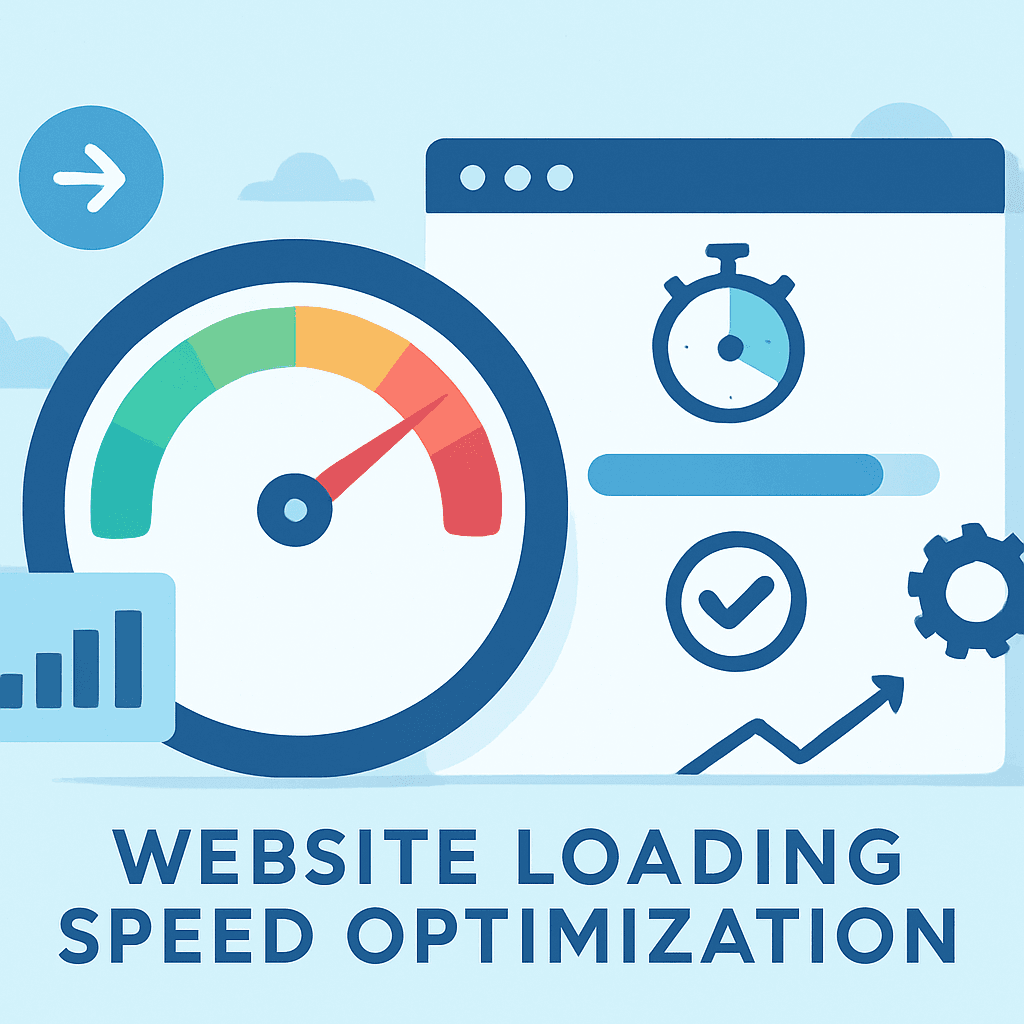
Website loading speed is one of the most critical factors for user experience, SEO, and conversions. Google has officially confirmed that page speed is a ranking factor, and research shows that a 1-second delay in loading time can result in 7% loss in conversions.
**Why Speed Matters**:
- Mobile users are impatient: 40% bounce if page takes >3 seconds to load
- Google prioritizes fast sites in search rankings
- Faster sites have higher conversion rates
- Better user experience leads to longer session duration
**Measuring Website Speed**:
Use these tools to measure your current performance:
- Google PageSpeed Insights
- GTmetrix
- WebPageTest
- Lighthouse (built into Chrome)
Look for these metrics:
- **Largest Contentful Paint (LCP)**: Should be <2.5 seconds
- **First Input Delay (FID)**: Should be <100 milliseconds
- **Cumulative Layout Shift (CLS)**: Should be <0.1
**Advanced Speed Optimization Techniques**:
1. **Image Optimization**: - Use modern formats (WebP, AVIF) - Compress images without losing quality - Implement lazy loading for below-fold images - Use responsive images with srcset
2. **Code Optimization**: - Minify CSS, JavaScript, and HTML - Remove unused CSS with PurgeCSS - Code splitting for JavaScript - Tree shaking to remove unused code
3. **Server Optimization**: - Enable GZIP compression - Upgrade hosting infrastructure - Implement caching headers - Use a Content Delivery Network (CDN)
4. **Database Optimization**: - Index database queries - Cache database queries - Use database replication - Optimize complex queries
5. **Browser Caching**: - Set appropriate cache-control headers - Implement service workers for offline support - Cache static assets long-term - Use versioning for cache busting
6. **JavaScript Optimization**: - Defer non-critical JavaScript - Async loading for third-party scripts - Remove unused libraries - Implement code splitting
7. **CSS Optimization**: - Inline critical CSS above the fold - Remove unused CSS - Use CSS Grid and Flexbox efficiently - Minimize repaints and reflows
**Performance Monitoring**:
- Set up Real User Monitoring (RUM)
- Monitor Core Web Vitals
- Track page speed over time
- Use error tracking tools
Faster websites not only provide better user experience but also improve search rankings and conversions. Every millisecond counts.

About the Author
Ismail Bakr
Founder & Lead Software Engineer
Founder of Smart Screen Technology, specializing in web development, mobile applications, SEO, AI solutions, and digital transformation for businesses across the UAE.
Ready to grow your business online?
Talk to our experts. No commitment required.
Get a Free ConsultationRelated Articles

Website Design UAE: Creating Digital Excellence for Your Business
Discover how professional website design in UAE can transform your business online presence and drive meaningful results.
Read article
Responsive Website Design: Essential for Modern Business Success
Learn why responsive design is critical and how it impacts your SEO rankings and user experience.
Read article
Modern Web Design Trends 2024: Create Stunning Websites
Discover the latest web design trends that make websites visually appealing, user-friendly, and conversion-focused.
Read article