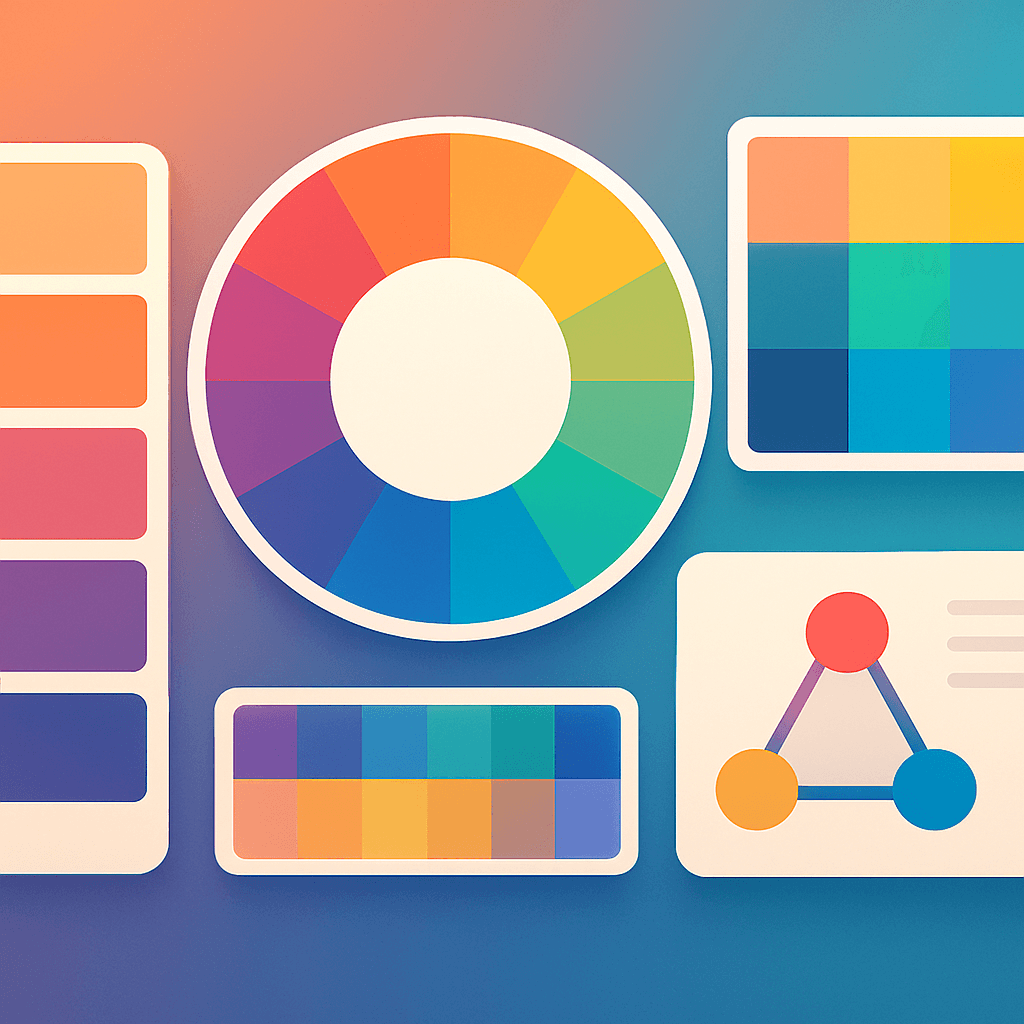
Color selection is one of the most important aspects of web design. Colors influence emotions, guide user attention, and impact conversion rates. A poorly chosen color palette can make a professional website look amateurish, while a well-chosen palette elevates the entire design.
**Understanding Color Psychology**:
- **Red**: Energy, urgency, passion - great for CTAs and sales
- **Blue**: Trust, stability, professionalism - ideal for financial and corporate sites
- **Green**: Growth, health, nature - perfect for environmental and wellness brands
- **Yellow**: Optimism, warmth - draws attention but can be overwhelming
- **Purple**: Luxury, creativity, mystery - sophisticated and unique
- **Orange**: Enthusiasm, creativity - energetic and approachable
- **Black**: Elegance, power, formality - use for luxury and high-end brands
**Color Palette Best Practices**:
1. **Use a Consistent Palette**: Limit yourself to 3-5 main colors plus neutrals. Consistency creates brand recognition.
2. **Consider Contrast**: Ensure adequate contrast between text and background for readability and accessibility.
3. **Understand Your Audience**: Different audiences respond to different colors. Research your target market's preferences.
4. **Test Different Combinations**: Use color palette generators (like Coolors.co or Adobe Color) to explore combinations.
5. **Maintain Brand Consistency**: Your color palette should align with your brand identity and values.
6. **Use Neutrals Wisely**: Neutral colors (white, gray, black) provide balance and make other colors pop.
7. **Account for Cultural Differences**: Colors have different meanings in different cultures. Consider your global audience.
**Tools for Color Selection**:
- Adobe Color
- Coolors.co
- Color Hunt
- Paletton
- Material Design Color Tool
A well-chosen color palette not only makes your website beautiful but also improves user experience and increases conversions by guiding attention and evoking the right emotions.
---
اختيار الألوان هو أحد أهم جوانب تصميم الويب. الألوان تؤثر على المشاعر وتوجه الانتباه وتؤثر على معدلات التحويل. لوحة ألوان سيئة الاختيار يمكن أن تجعل موقعاً احترافياً يبدو غير احترافي، بينما لوحة ألوان جيدة ترفع التصميم برمته.
**فهم علم نفس الألوان**:
- **الأحمر**: الطاقة والاستعجالية والشغف - رائع لأزرار الحث على الإجراء والمبيعات
- **الأزرق**: الثقة والاستقرار والاحترافية - مثالي للمواقع المالية والعملية
- **الأخضر**: النمو والصحة والطبيعة - مثالي لعلامات البيئة والعافية
- **الأصفر**: التفاؤل والدفء - يجذب الانتباه لكن يمكن أن يكون ساحقاً
- **البنفسجي**: الفخامة والإبداع والغموض - متطور وفريد
- **البرتقالي**: الحماس والإبداع - نشيط وودود
- **الأسود**: الأناقة والقوة والرسمية - استخدم للعلامات الفاخرة والراقية
**أفضل الممارسات للوحات الألوان**:
1. **استخدم لوحة ألوان متسقة**: حدد نفسك على 3-5 ألوان رئيسية بالإضافة إلى الحياديات. الاتساق ينشئ تعريفاً للعلامة التجارية.
2. **ضع في الاعتبار التباين**: تأكد من وجود تباين كافٍ بين النص والخلفية للقراءة والوصول.
3. **افهم جمهورك**: الجماهير المختلفة تستجيب لألوان مختلفة. ابحث عن تفضيلات سوقك المستهدفة.
4. **اختبر تركيبات مختلفة**: استخدم مولدات لوحات الألوان (مثل Coolors.co أو Adobe Color) لاستكشاف التركيبات.
5. **حافظ على اتساق العلامة التجارية**: يجب أن تتطابق لوحة الألوان مع هوية علامتك التجارية وقيمها.
6. **استخدم الحياديات بحكمة**: الألوان الحيادية (الأبيض والرمادي والأسود) توفر توازناً وتجعل الألوان الأخرى تبرز.
7. **حساب الاختلافات الثقافية**: الألوان لها معانٍ مختلفة في ثقافات مختلفة. ضع في الاعتبار جمهورك العالمي.
**أدوات اختيار الألوان**:
- Adobe Color
- Coolors.co
- Color Hunt
- Paletton
- أداة ألوان Material Design
لوحة ألوان مختارة جيداً لا تجعل موقعك جميلاً فحسب بل تحسن أيضاً تجربة المستخدم وتزيد التحويلات من خلال توجيه الانتباه واستحضار المشاعر الصحيحة.

عن الكاتب
إسماعيل بكر
المؤسس والرئيس التنفيذي التقني
مؤسس Smart Screen Technology ومتخصص في تطوير المواقع الإلكترونية، تطبيقات الجوال، تحسين محركات البحث (SEO)، الذكاء الاصطناعي، والتحول الرقمي للشركات في دولة الإمارات.
مقالات ذات صلة

تصميم الموقع الإمارات: خلق التميز الرقمي لعملك
اكتشف كيفية أن تصميم الموقع الاحترافي في الإمارات يمكن أن يحول وجودك عبر الإنترنت ويحقق نتائج ذات مغزى.
اقرأ المقال
تصميم الويب المتجاوب: ضروري لنجاح الأعمال الحديثة
تعرّف على أهمية التصميم المتجاوب وتأثيره على ترتيبك في محركات البحث وتجربة المستخدم.
اقرأ المقال
اتجاهات تصميم الويب الحديثة 2024: إنشاء مواقع ويب مذهلة
اكتشف أحدث اتجاهات تصميم الويب التي تجعل المواقع جميلة وسهلة الاستخدام وموجهة للتحويل.
اقرأ المقال